The neurochemistry of trust in power exchange
Oxytocin, dopamine, and cortisol interact in ways that explain why structured power exchange can feel profoundly bonding — and why it can go wrong.
Dr. Elena Vasquez
Neuroscience Editor
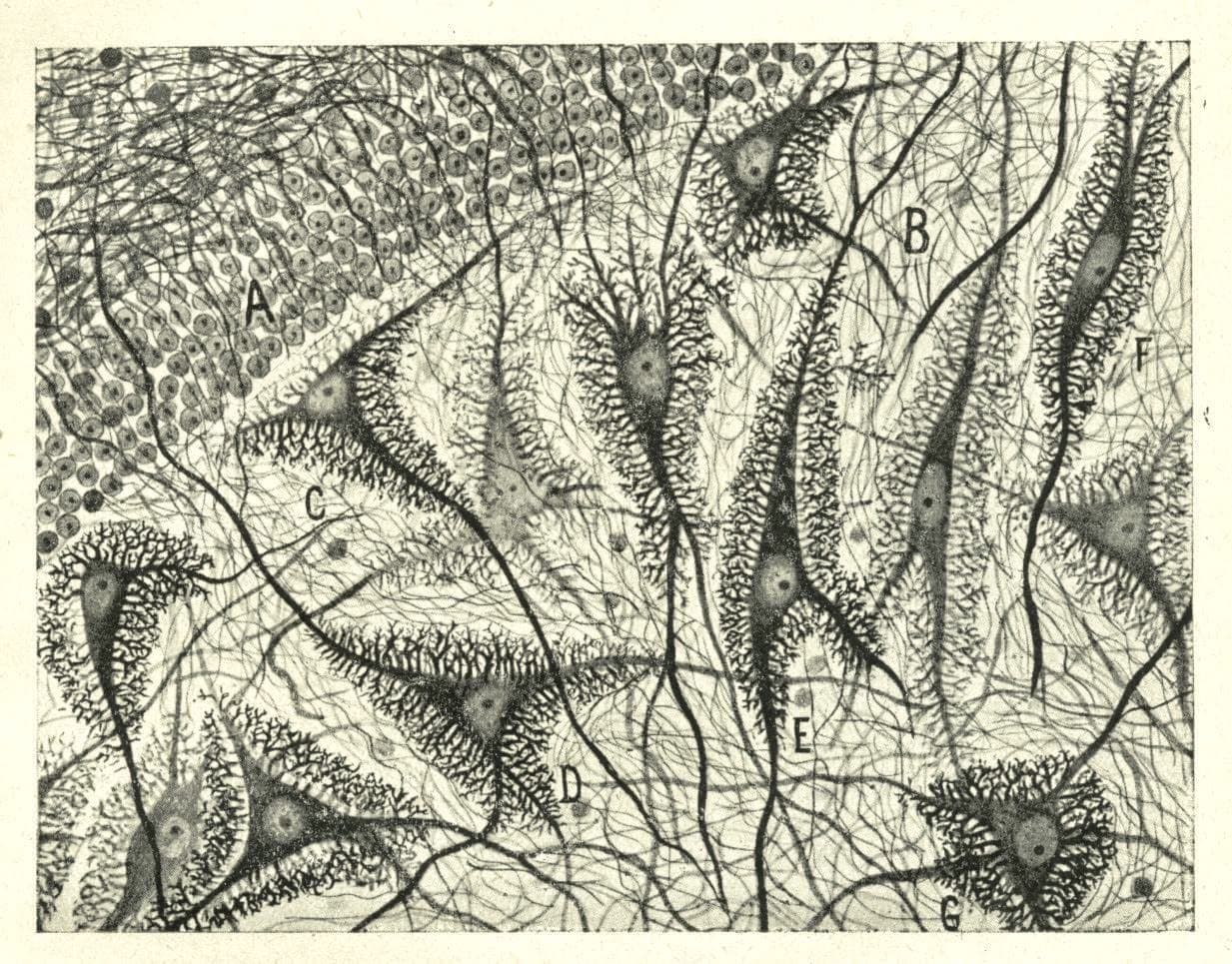
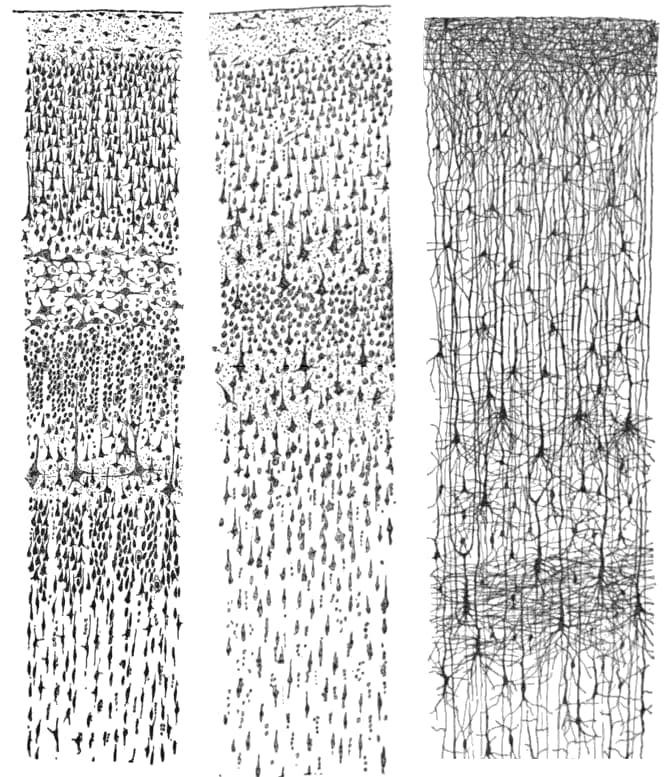
Plate I — Nerve cells
Power exchange is often dismissed as psychological theater. The neurochemistry tells a more interesting story.
Bonding under structure
Oxytocin — frequently oversimplified as the "cuddle hormone" — modulates social trust, threat detection, and pain perception simultaneously. In contexts of consensual vulnerability, oxytocin release correlates with increased pain tolerance and decreased amygdala reactivity to social threat.
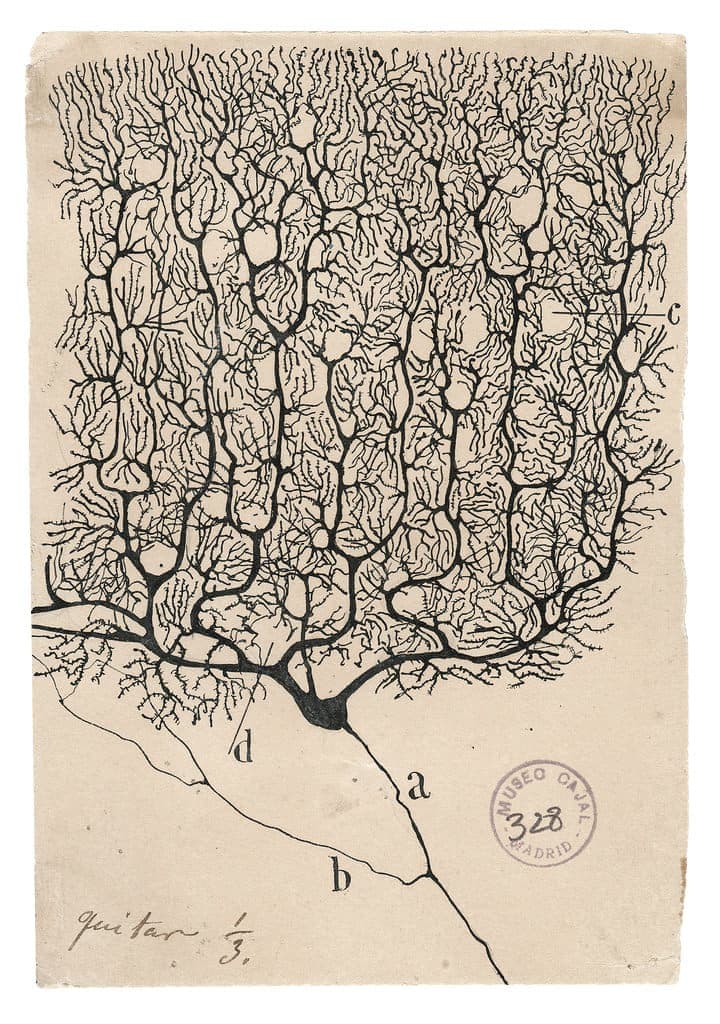
Cajal drew what he could not yet name: cells that touch without fusing, passing signal across a gap. Trust, at the level of tissue, is a story about gaps.
This is not an argument that pain creates trust. It is an observation that structured vulnerability, when held in safety, produces neurochemical states that deepen pair bonding. Rope, protocol, service dynamics — these are architectures for vulnerability, not merely aesthetic preferences.
Dopamine and the negotiation of reward
Dopamine tracks prediction error, not pleasure itself. Unexpected rewards — a touch where none was anticipated, praise after sustained effort, a scene twist negotiated in the moment — produce sharper dopaminergic spikes than predictable repetition.
Experienced practitioners intuit this: novelty within structure beats either chaos or monotony. The best scenes have designed unpredictability — enough surprise to engage dopamine, enough structure to keep the nervous system safe.
When chemistry becomes risk
Cortisol elevation during intense play is normal. Chronic or unprocessed cortisol — from scenes without aftercare, relationships without repair, or play that crosses negotiated limits — erodes trust neurochemistry over time.
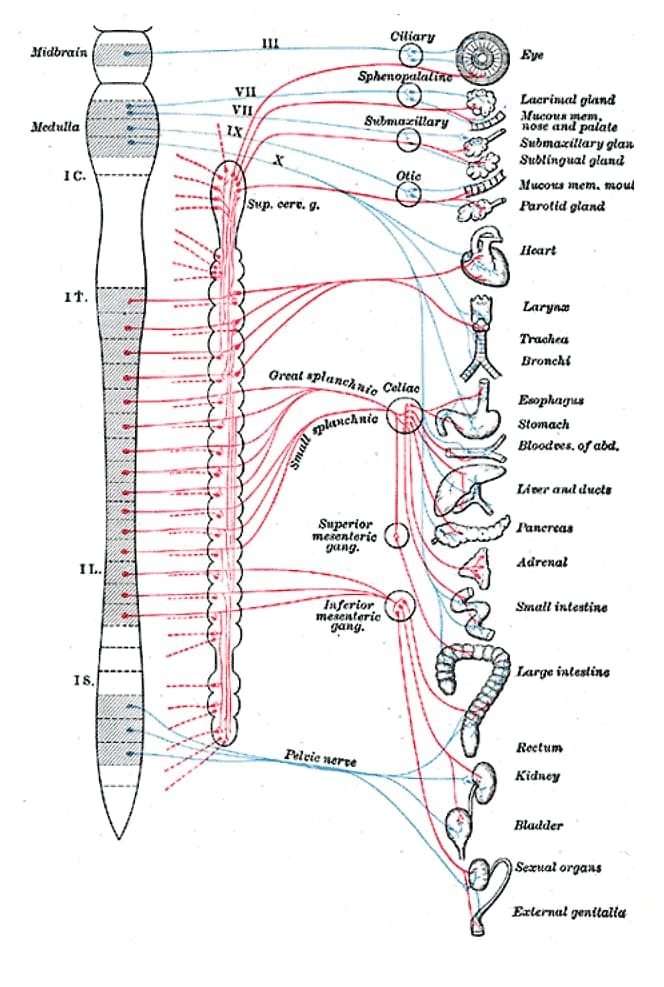
The two autonomic branches as drawn for Gray's Anatomy (1918). Aftercare is the deliberate handover from the sympathetic chain to the parasympathetic outflow.
Aftercare is not sentiment. It is neurochemical downregulation: parasympathetic re-engagement, oxytocin-supported reconnection, cortisol clearance. Skip it repeatedly and the body learns that vulnerability is costly.
Takeaway
Trust in power exchange is not purely emotional. It is physiological, repeatable, and trainable — which means it can also be damaged. Treat neurochemistry as part of your toolkit, not a footnote.
- Dr. Elena Vasquez — Neuroscience Editor
- 14 minutes
- None cited
- Nerve cells — Santiago Ramón y Cajal, c. 1900. Cajal Institute (CSIC), Madrid. Public domain.
- A Purkinje neuron from the human cerebellum — Santiago Ramón y Cajal, c. 1900. Cajal Institute (CSIC), Madrid. Public domain.
- Diagram of the efferent sympathetic and parasympathetic nervous system — Henry Vandyke Carter, 1918. Wikimedia Commons. Public domain.
Continue the inquiry
Related investigations
The parasympathetic case for slowness
Most discourse treats arousal as acceleration. The neuroscience suggests the opposite — that safety, attunement, and deliberate pacing unlock deeper states of pleasure.
Consent as a continuous practice
The binary model — ask once, proceed — fails under scrutiny. For experienced practitioners, consent is an ongoing physiological and relational process.

Power exchange and the prefrontal cortex
Submission and dominance are not merely roles. They engage distinct cognitive networks — with implications for how we design scenes and debrief afterward.